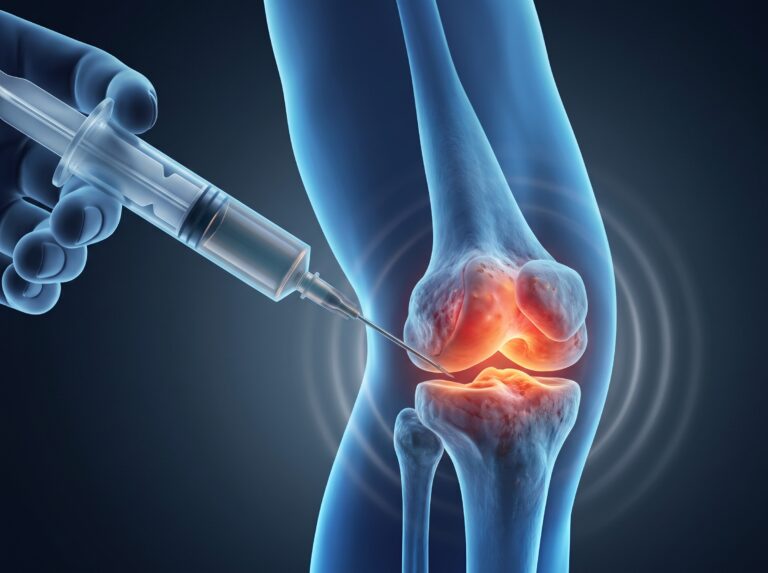
Cortisone Injections: Benefits and Risks
Considering a cortisone injection? Stephen Bunting, specialist MSK physiotherapist, explains how they work, the risks and when they can help.

Considering a cortisone injection? Stephen Bunting, specialist MSK physiotherapist, explains how they work, the risks and when they can help.
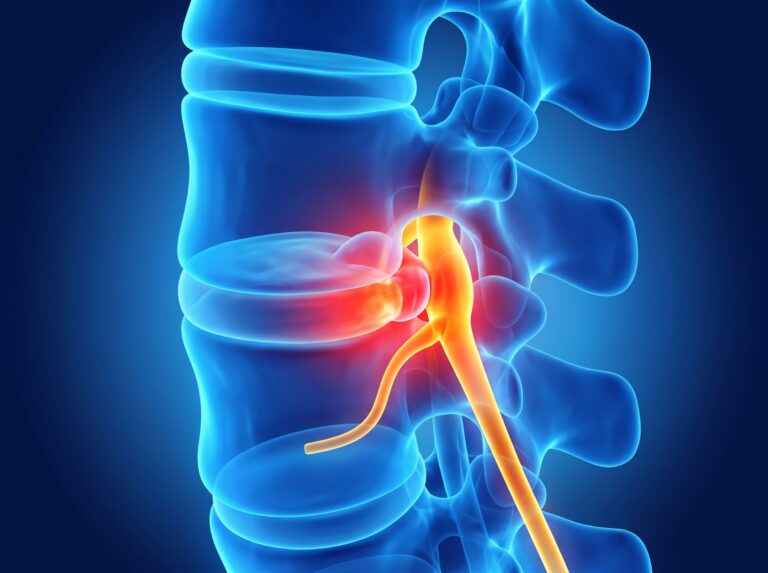
A slipped disc can cause spinal pain and arm/leg symptoms. This article explores what can happen to spinal discs, from bulges to herniation and extrusions, and whether they can really slip out of place.
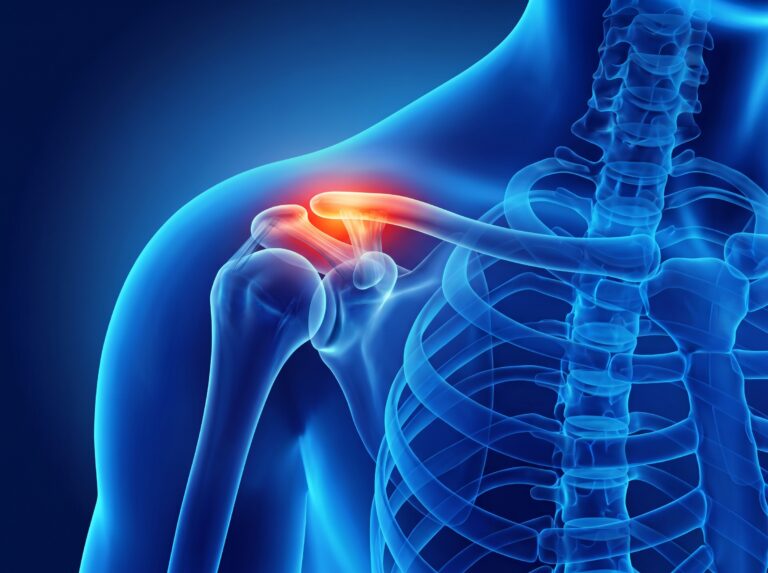
AC joint pain is a condition affecting the small joint at the top of the shoulder, where the collarbone meets the shoulder blade. This article explores its causes, symptoms, diagnosis and treatment.
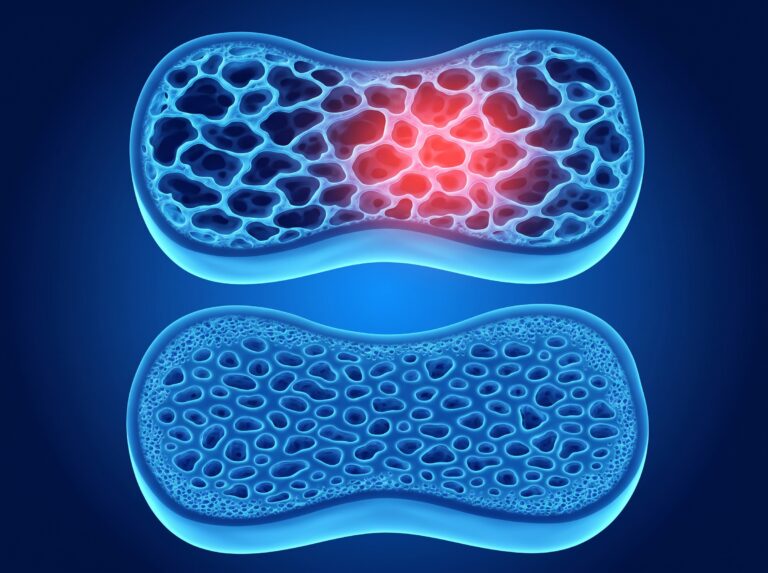
Osteoporosis and osteopenia involve a loss of bone density, making bones weaker and more prone to fracture. This article explores their differences, causes, diagnosis and treatment.
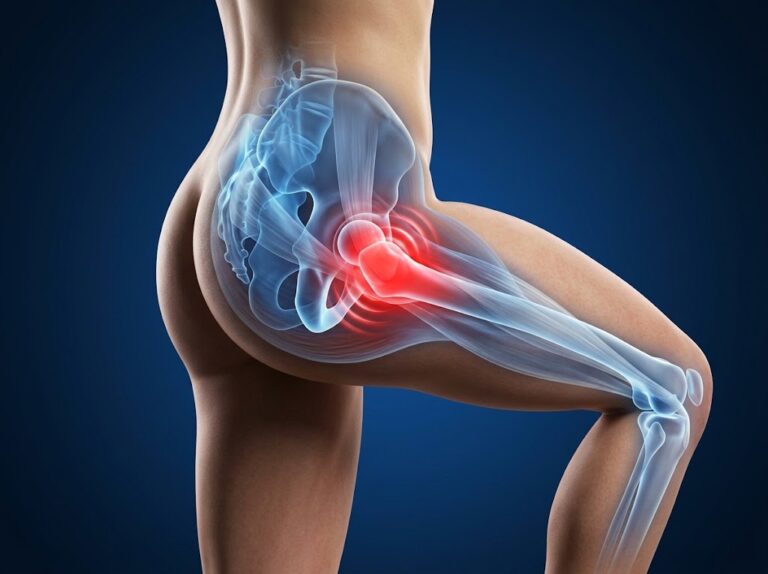
Snapping hip syndrome causes an audible or palpable click or snap around the hip joint during movement, and can arise from either an internal or an external cause. This article compares the two types, their similarities, differences, and how each is diagnosed and treated.
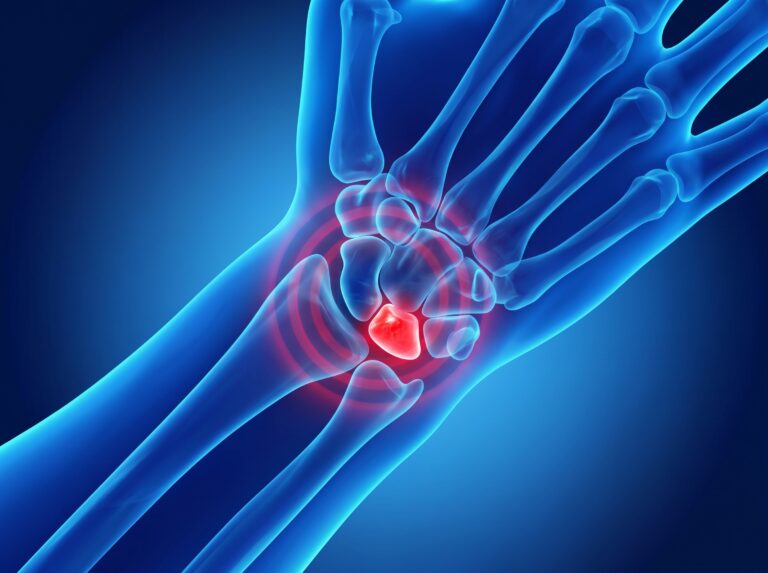
Kienböck’s disease is a rare condition where the blood supply to one of the small bones in the wrist (the lunate) becomes disrupted, leading to bone damage over time. This article explains its causes, symptoms, diagnosis and treatment.
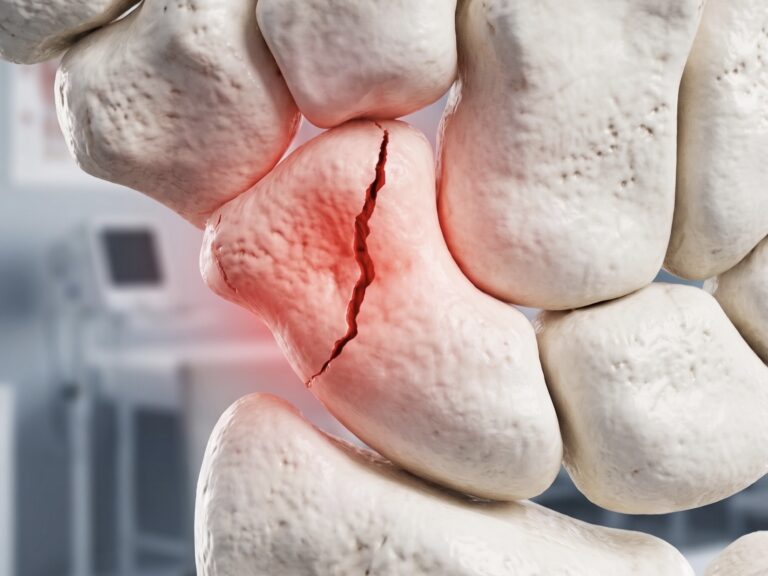
The Scaphoid is a small but important wrist bone which can fracture after a fall or punching injury. Unless treated correctly and quickly, there is a risk it won’t heal properly, causing significant future wrist problems.
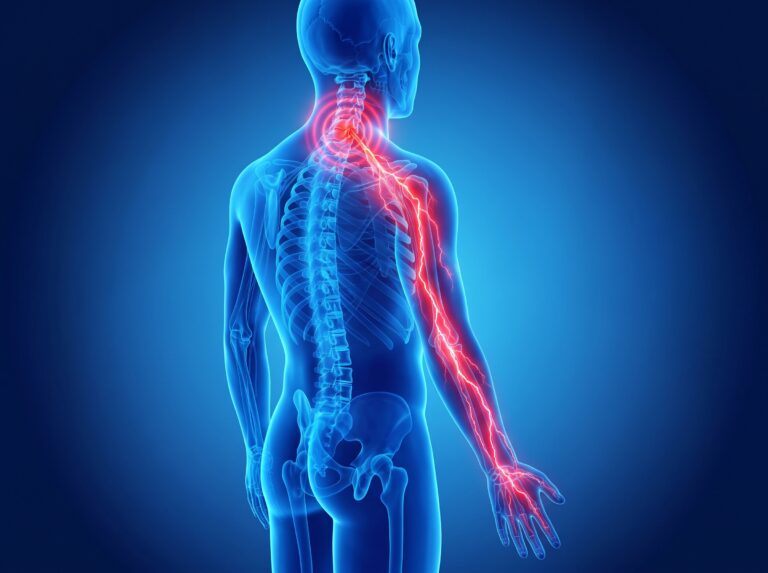
A trapped nerve in the neck (cervical radiculopathy) is a common cause of neck and radiating arm pain, and can also cause symptoms of tingling, numbness and arm/hand weakness.

Aching, stiff joints are one of the most common but least talked-about symptoms around the menopause. This article explores why it happens, how it differs from arthritis and what can help.
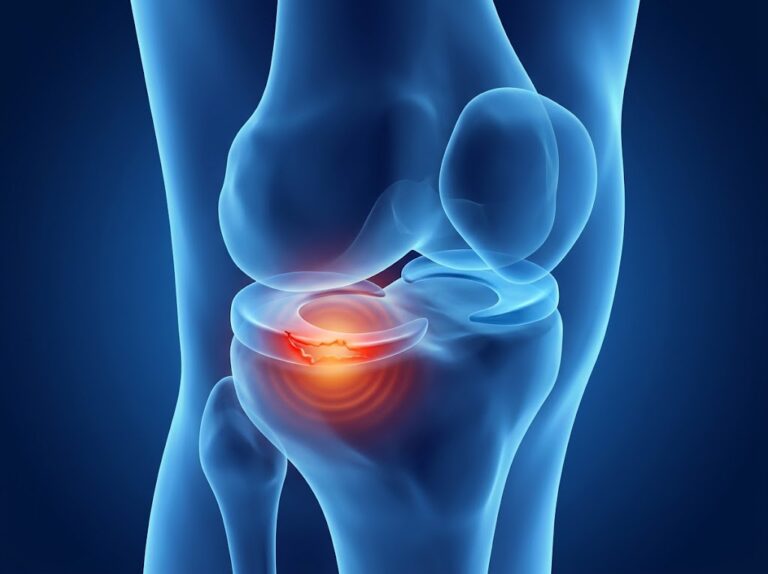
Knee pain after a twist, with clicking, catching or swelling, may point to a meniscal tear. Not every tear needs surgery, so this article looks at what the evidence says about your options.