PhysioMSK

Expert Advice for your Musculoskeletal Health

Understand your MSK condition and learn how to manage it effectively using the latest evidence based information and clinical knowledge.

Featured Conditions

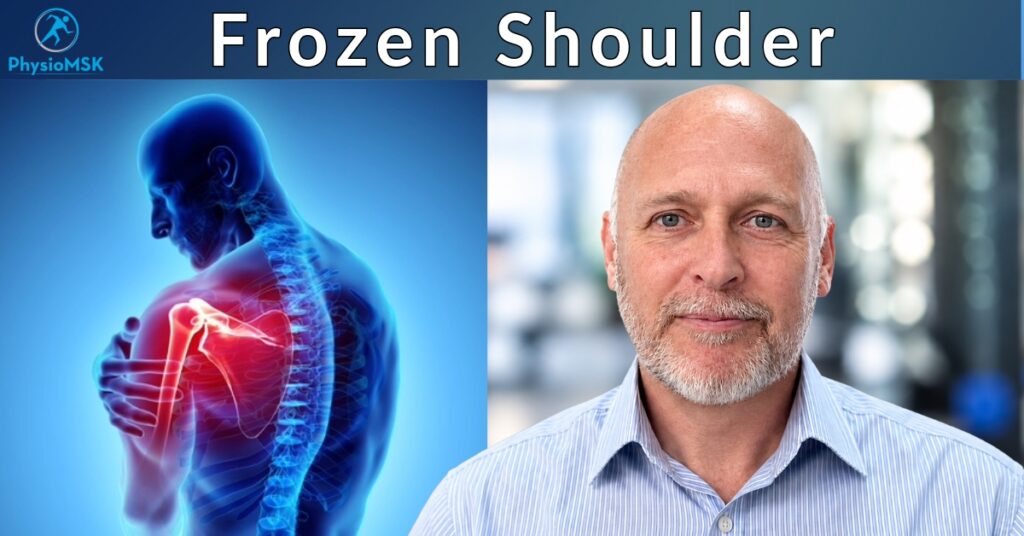
Frozen Shoulder

Frozen shoulder (adhesive capsulitis) is a condition characterised by marked shoulder stiffness and pain. This article explores its causes, stages, symptoms and treatment.

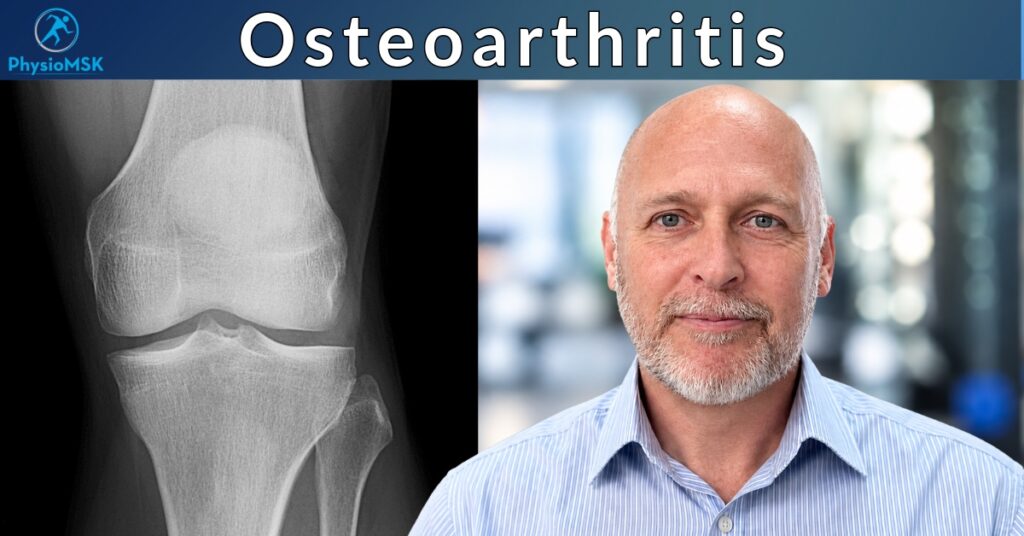
Osteoarthritis

Osteoarthritis is a degenerative condition affecting joint cartilage. This article explores the causes, symptoms, how it’s diagnosed, and the treatment options — including whether exercise is safe.

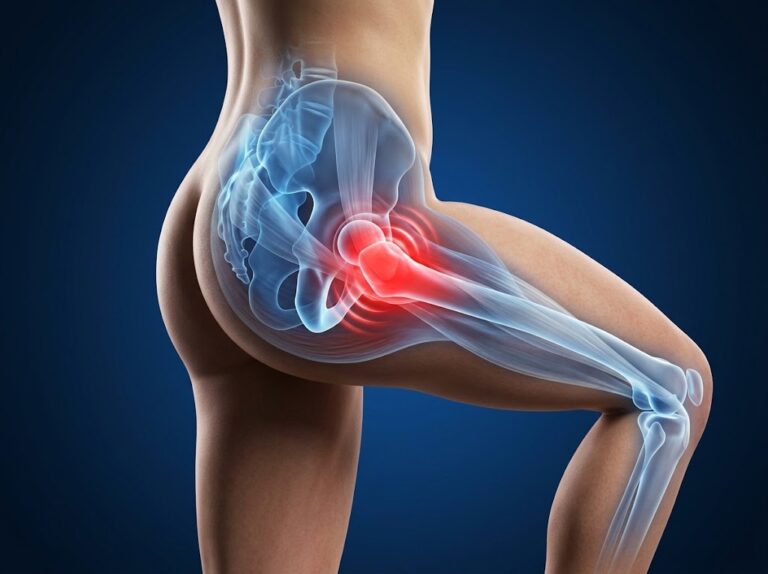
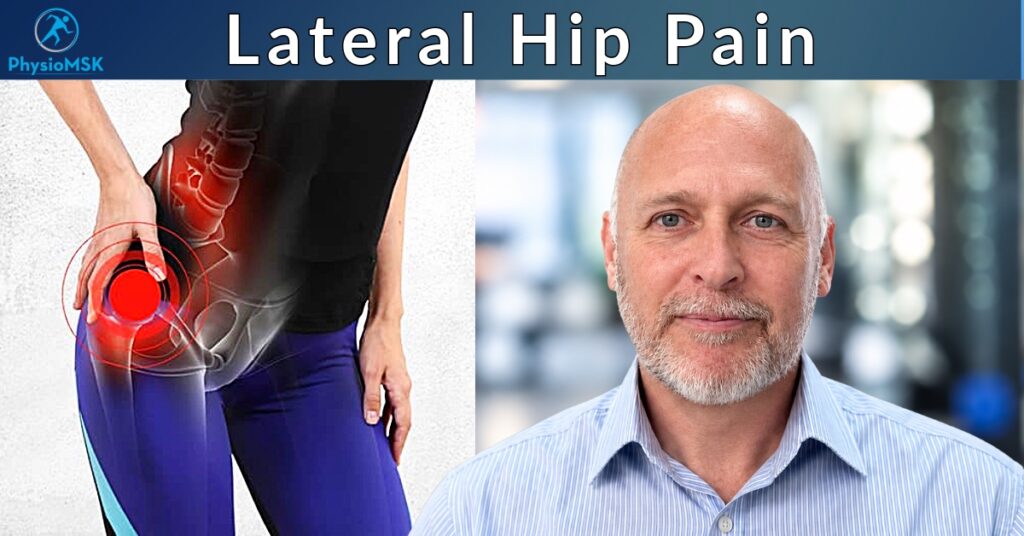
GTPS

Greater trochanteric pain syndrome (GTPS) is a common cause of pain on the outside of the hip. This article explores its causes, symptoms and treatment, including how it relates to trochanteric bursitis and gluteal tendonopathy.

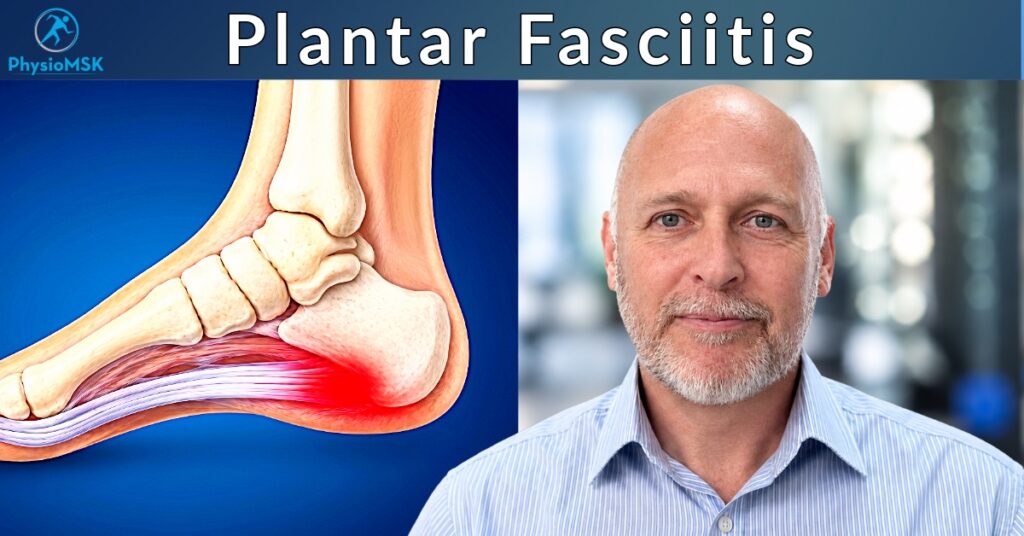
Plantar Fasciitis

Plantar fasciitis is the most common cause of heel pain, but it’s also one of the most misunderstood. This article looks at what the evidence actually shows about its causes, symptoms and treatment.

Latest Articles

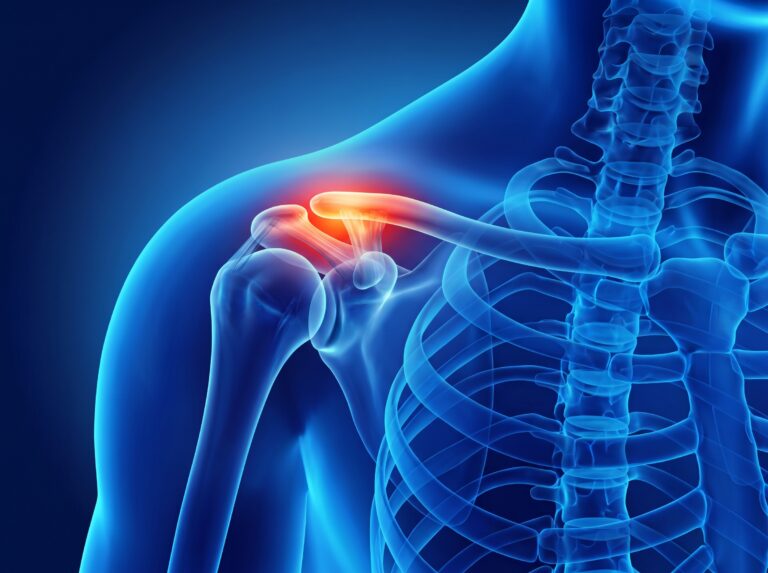
Illustration of AC joint (acromioclavicular joint) shoulder anatomy, with specialist MSK physiotherapist Stephen Bunting

AC Joint Pain

AC joint pain is a condition affecting the small joint at the top of the shoulder, where the collarbone meets the shoulder blade. This article explores its causes, symptoms, diagnosis and treatment

Read More »
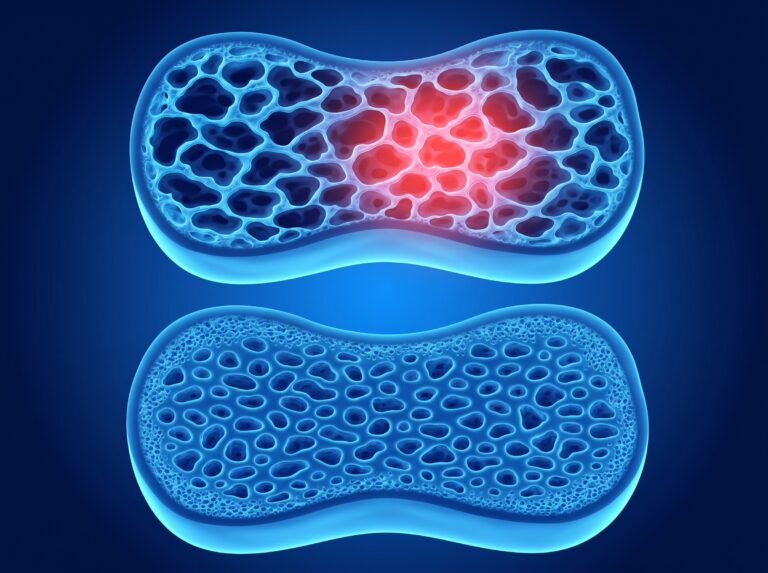
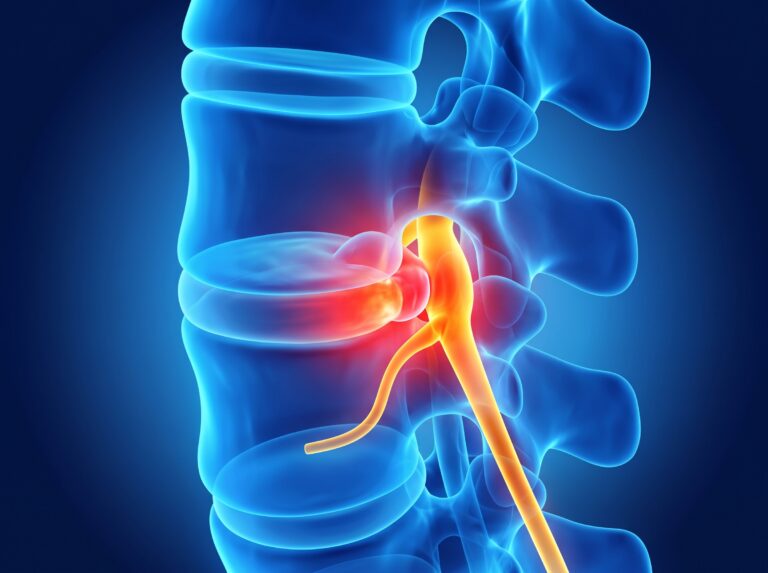
Illustration of osteoporosis (low bone density) anatomy of the spine, with specialist MSK physiotherapist Stephen Bunting

Osteoporosis and Osteopenia

Osteoporosis and osteopenia both involve a loss of bone density, making bones weaker and more prone to fracture. This article explores the differences between the two, their causes, and how they’re diagnosed and managed

Read More »

Watch & Learn

Watch & Learn

Prefer to watch? Check out the PhysioMSK YouTube channel for clear explanations, exercises, and recovery tips.

I’m Stephen Bunting, a Specialist MSK Physiotherapist. My aim to empower people to understand their Musculoskeletal Problems so they can make informed decisions to improve their quality of life.

Scroll to Top