
By Stephen Bunting, Specialist MSK Physiotherapist
Osteoporosis is a common condition in which bones become weaker and more likely to fracture. It is often described as a “silent disease” because osteoporosis itself usually causes no symptoms. Many people do not realise they have osteoporosis until they suffer a fracture following a relatively minor injury or fall.
Osteoporosis is particularly common in older adults and in women after the menopause, when falling oestrogen levels can accelerate bone loss.
The good news is that osteoporosis does not mean you should stop being active. There is a great deal you can do to protect your bones, improve your strength and balance, reduce your risk of falls and, when appropriate, use medication to reduce your risk of fractures.
In this article, I’ll explain what osteoporosis is, how it is diagnosed, why you may have developed it and what you can do to manage it.
The information can also been seen in video format below.
What is Osteoporosis?
The word osteoporosis literally means “porous bone”.
Bone is living tissue and is constantly being remodelled. Old bone is broken down and replaced with new bone. When we are young, bone formation generally keeps pace with or exceeds bone breakdown, allowing our bones to grow and strengthen.
As we get older, this balance can change. Bone breakdown can begin to exceed new bone formation, resulting in a gradual reduction in bone density and strength.
For women, this process can accelerate around the menopause.
Oestrogen plays an important role in maintaining bone health. When oestrogen levels fall during and after the menopause, bone breakdown can increase. This is one of the reasons why post-menopausal women are at increased risk of developing osteopenia and osteoporosis.
What happens to the bone?
A useful way of thinking about osteoporosis is to imagine the internal structure of a bone.
Healthy bone has a strong internal framework that helps it withstand everyday loads and stresses.
With osteoporosis, some of this internal structure becomes thinner and weaker. The bone becomes less dense and more vulnerable to fracture.
This does not necessarily mean that the bone will break easily during normal everyday activity. Rather, the risk of fracture increases, particularly when combined with a fall or other relatively minor injury.
What are the Symptoms of Osteoporosis?
One of the most important things to understand about osteoporosis is that the condition itself usually causes no symptoms.
You cannot normally feel your bones becoming weaker.
Osteoporosis does not usually cause pain, stiffness or other warning symptoms before a fracture occurs.
This is why it can remain undiagnosed for many years.
The symptoms associated with osteoporosis are usually the consequences of a fracture.
These may include a broken wrist after a fall, a hip fracture or a fracture of one of the vertebrae in the spine.
What is a fragility fracture?
A fragility fracture is a fracture that occurs following relatively minor trauma that would not normally be expected to break a healthy bone.
For example, falling from standing height or less and breaking a wrist or hip may raise suspicion of underlying osteoporosis.
Fragility fractures can occur in a number of different bones, but common sites include the wrist, hip and spine.
A previous fragility fracture is important because it can significantly increase your future risk of having another fracture.
Spinal fractures and osteoporosis
Spinal or vertebral fractures deserve particular attention because they can sometimes be missed.
A vertebral fracture may cause sudden pain in the middle or lower part of the back, particularly following a relatively minor incident.
However, not every spinal fracture causes obvious pain.
Some may develop gradually and only become apparent because of changes such as a reduction in height or increasing curvature of the spine.
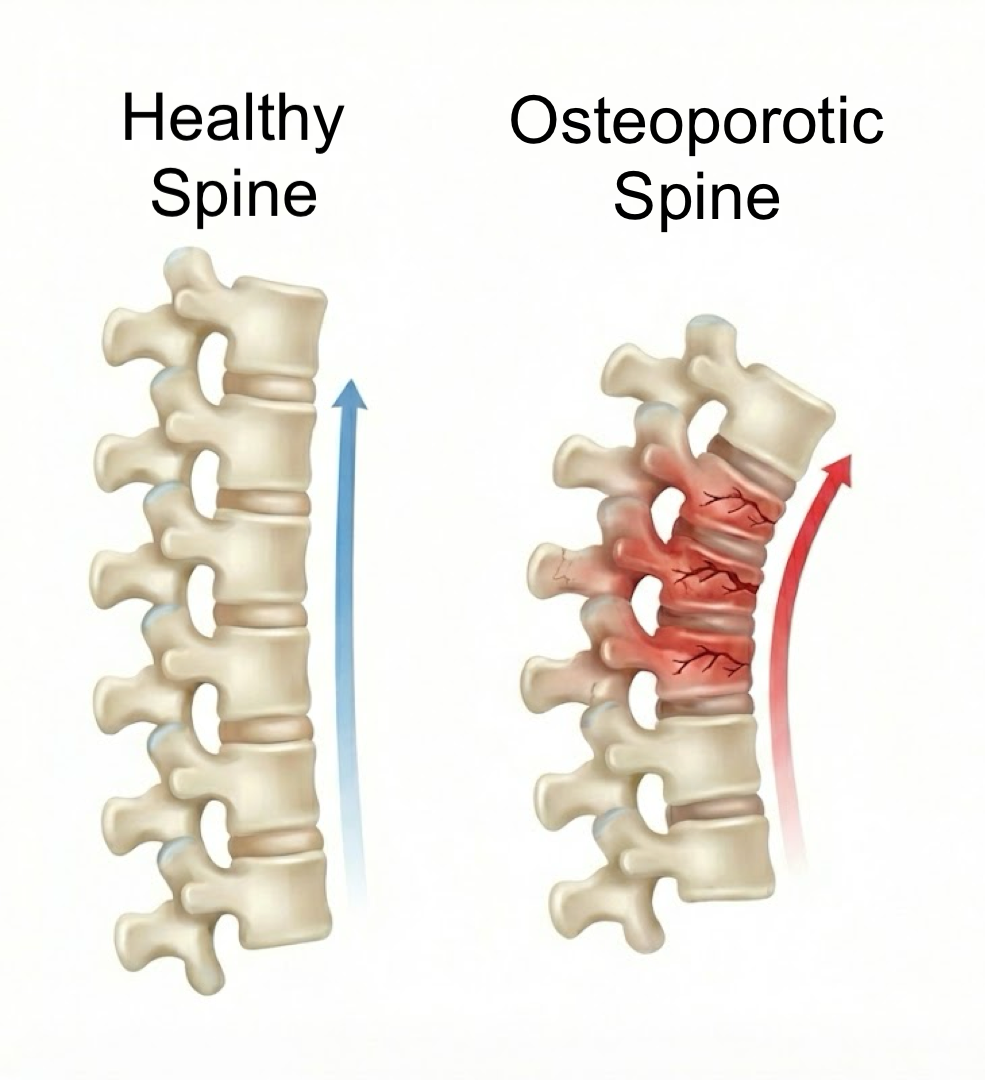
If you have developed persistent or sudden back pain following a relatively minor injury, particularly if you have risk factors for osteoporosis, it is sensible to discuss this with your doctor.
And if you are menopausal and have back pain, remember that this does not automatically mean that you have osteoporosis. Back pain is extremely common and has many possible causes.
If a spinal fracture is suspected, imaging such as an X-ray, CT scan or MRI may be required.
How is Osteoporosis Diagnosed?
Osteoporosis cannot usually be diagnosed from symptoms because the condition itself is generally painless.
Instead, diagnosis is based on a combination of your clinical risk factors, fracture history and, where appropriate, a measurement of bone mineral density.
The most commonly used test is a DEXA scan.
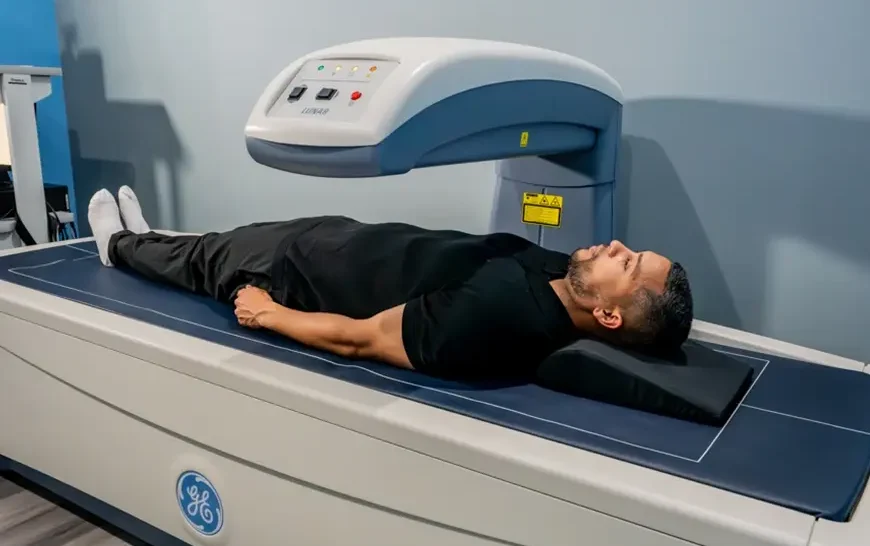
DEXA stands for dual-energy X-ray absorptiometry.
It is a quick and relatively simple scan that measures bone mineral density, usually at the hip and spine.
The result is used alongside other information to assess your risk of fracture.
Osteopenia and Osteoporosis
You may hear the terms osteopenia and osteoporosis when discussing your DEXA results.
Osteopenia means that your bone density is lower than the young adult reference range but has not crossed the threshold used to define osteoporosis.
Osteoporosis represents a greater reduction in bone density and therefore a greater risk of fracture.
However, your DEXA result is not the whole story.
Your overall fracture risk is also influenced by factors such as your age, previous fractures, family history, medication, medical conditions and risk of falling.
This is why two people with similar DEXA results can have quite different overall fracture risks.
When might I need a DEXA scan?
Not everyone needs a DEXA scan.
Your doctor or other healthcare professional may recommend one if you have factors that increase your risk of osteoporosis or fracture.
These can include having had a previous fragility fracture, particularly a spinal or hip fracture.
Other factors can include an early menopause, particularly menopause before the age of 45, long-term use of oral corticosteroids, low body weight or a low BMI, and a strong family history of osteoporosis or hip fracture.
Certain medical conditions can also increase the risk of osteoporosis. These include inflammatory conditions such as rheumatoid arthritis, coeliac disease, Crohn’s disease, some thyroid and parathyroid disorders, diabetes, and some chronic liver or kidney conditions.
In some older people who have already sustained a fragility fracture, treatment may be recommended without waiting for a DEXA scan, particularly when the clinical risk of osteoporosis is already considered to be high.
Why have I developed Osteoporosis?
If you have recently been diagnosed with osteoporosis, it is understandable to ask:
“Why me?”
But in most cases, there is no single reason.
Osteoporosis usually develops because of a combination of factors.
Some of these are outside your control, while others are things you may be able to influence.
Age is an important factor.
Your genetics and family history also play a role.
Having a lower body weight or smaller body frame can increase your risk.
And for women, the menopause is a particularly important factor.
Osteoporosis and the Menopause
The menopause is one of the most important periods in a woman’s life when it comes to bone health.
Oestrogen helps protect bone. When oestrogen levels fall during the menopause, the rate of bone breakdown can increase.
This can result in a period of more rapid bone loss around the menopause and during the years that follow.
This means that a woman can have spent much of her life being healthy, active and physically fit and still develop osteopenia or osteoporosis after menopause.
It is important not to see an osteoporosis diagnosis as a personal failure.
There are many factors involved, and some of them are simply part of normal ageing and hormonal change.
Other risk factors for Osteoporosis
Other factors that can contribute to bone loss include having low levels of physical activity, particularly insufficient weight-bearing and resistance exercise.
Smoking can have a negative effect on bone health, as can excessive alcohol consumption.
Low calcium or vitamin D intake can also contribute.
Long-term use of oral corticosteroids is another important risk factor.
Certain medical conditions can also increase the risk, particularly if they are long-standing or poorly controlled.
The important point is that not all risk factors are modifiable.
However, even if you cannot change the reason why you developed osteoporosis, there are still plenty of things you can do to reduce your future fracture risk.
What can I do about Osteoporosis?
The good news is that there is a lot you can do.
Managing osteoporosis is not simply about taking medication.
It involves looking at the whole picture, including exercise, nutrition, falls prevention and, where appropriate, medication.
And one of the most important messages I want to give you is this:
Having osteoporosis does not mean that you should stop moving.
In fact, appropriate exercise is an important part of maintaining bone and muscle health.
Exercise and Osteoporosis
Bone is living tissue and it responds to mechanical loading.
When we place an appropriate amount of load through our bones, this provides a stimulus that can help maintain bone strength.
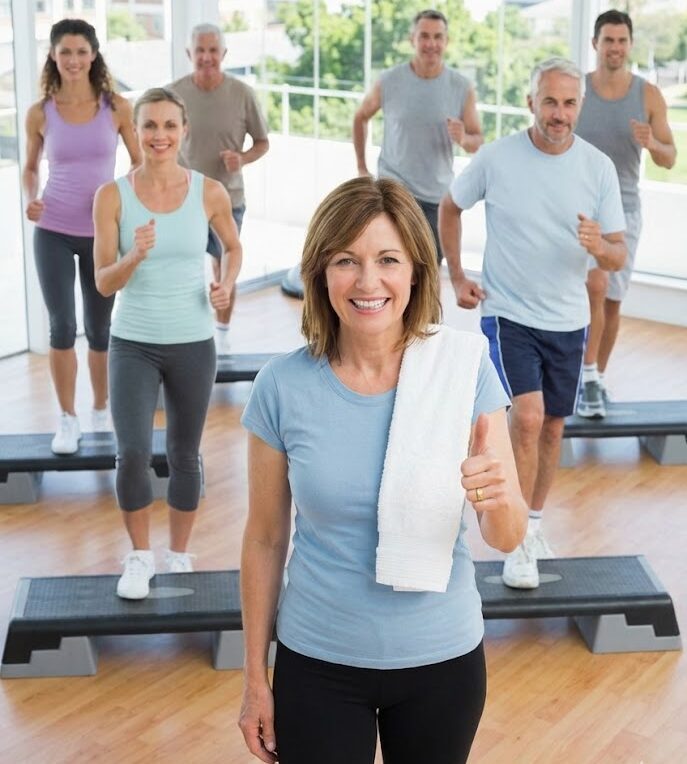
Exercise also has another important role.
Strong muscles, good balance and confidence with movement can reduce your risk of falling.
And reducing falls is an important part of preventing fractures.
This is particularly important after the menopause, when changes in bone density can be combined with the gradual loss of muscle strength and balance that occurs with ageing.
There are three broad areas of exercise that are particularly useful.
Weight-bearing exercise
Weight-bearing exercise means exercising while supporting your body weight through your legs and skeleton.
Walking is the single best example.

Using the stairs, dancing and many types of exercise classes can also provide useful weight-bearing activity.
If you are already fit and have no reason to avoid impact, activities such as jogging, hiking or other higher-impact exercise may provide an additional stimulus to bone.
However, the appropriate level of impact depends on your individual circumstances.
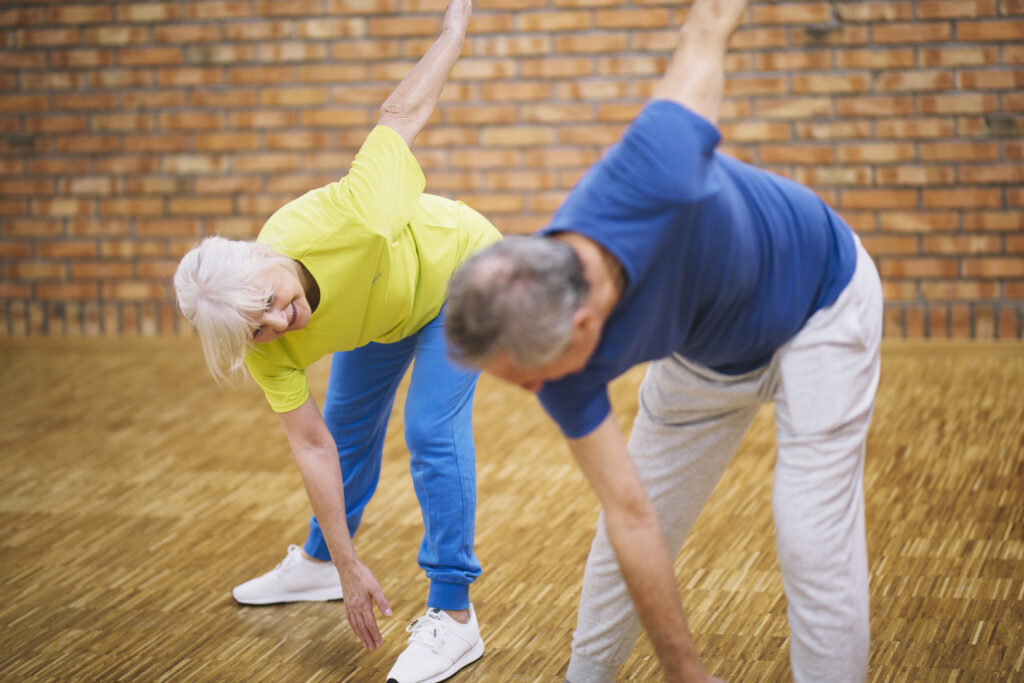
If you have severe osteoporosis, previous vertebral fractures or other significant risk factors, it is sensible to get individual advice before starting high-impact exercise.
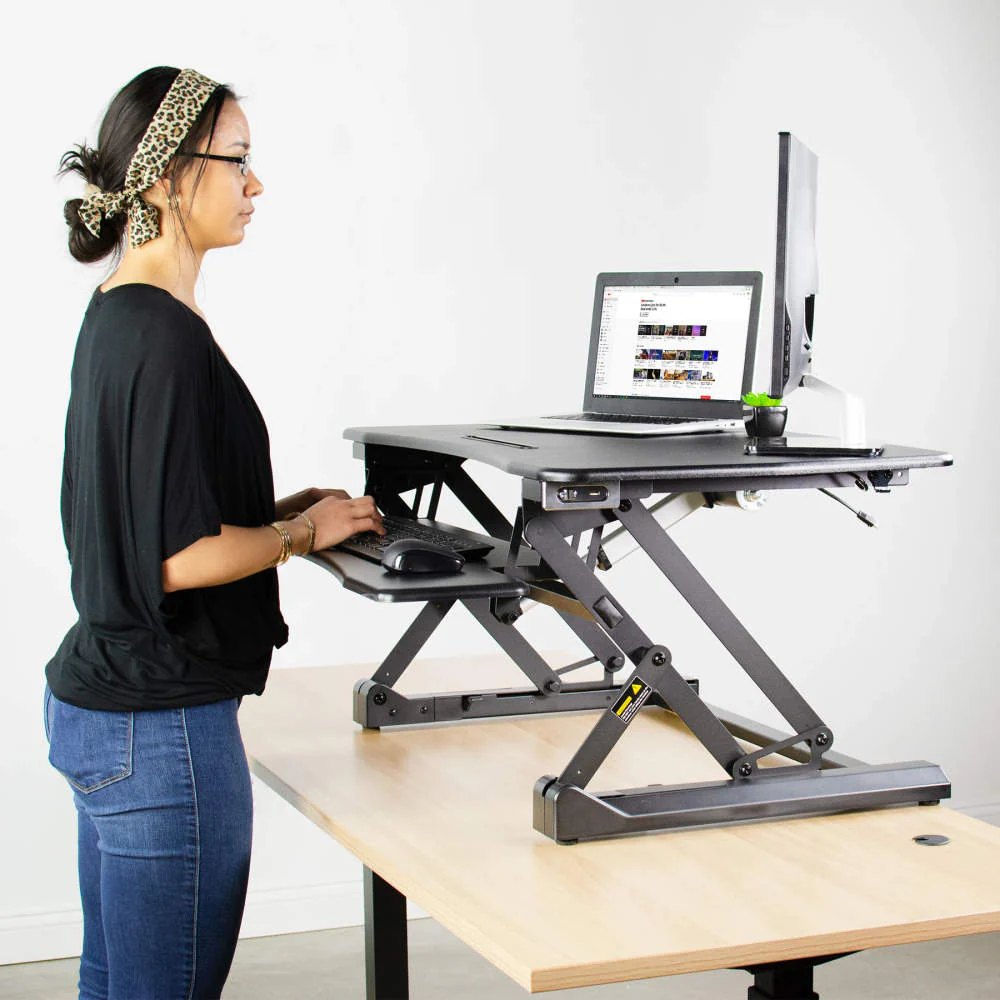
If you have a sedentary job, simply spending more time standing and moving during the day can also be useful. A sit-stand or riser desk can make it easier to break up long periods of sitting.
A standing desk should not be viewed as a treatment for osteoporosis, but it can be a practical way of incorporating more movement and weight-bearing time into your working day.
Strength training
Strength training is particularly important for maintaining both muscle and bone.
Exercises such as squats, sit-to-stands, step-ups and resistance exercises for the upper body can all be useful.

You do not necessarily need an expensive gym membership.
A chair, resistance bands, weights or your own body weight can provide plenty of options.
The important thing is that the exercises provide an appropriate level of challenge and are progressed over time.
If you have osteoporosis, particularly if you have had vertebral fractures, exercise technique matters. In particular, repeated or heavily loaded spinal flexion may need to be modified.
If you are unsure what is appropriate for you, a physiotherapist or other appropriately trained healthcare professional can help you develop an individual programme.
Balance training
The third important area is balance.
This is particularly relevant because osteoporosis increases the consequences of a fall.
Exercises such as single-leg standing, tandem stance and controlled movement challenges can help improve balance and confidence.
Balance is a skill, and like any skill it can improve with practice.
This is particularly important as we get older, because avoiding movement because of fear of falling can create a cycle of inactivity, weakness and declining confidence.
The aim should not be to wrap yourself in cotton wool.
The aim is to become stronger, steadier and more confident.
Exercise Video
I’ve made a video which go’s through a full regime of simple daily exericises suitable for Osteoporosis and Osteopenia. You can see it below :-
Nutrition and Osteoporosis
Your bones need the right nutritional building blocks.
Calcium is particularly important because it is a major component of bone.
For most people, it is preferable to obtain calcium through a balanced diet.
Good sources include dairy products, fortified alternatives, leafy green vegetables, nuts, seeds and some fish.

Vitamin D is also important because it helps the body absorb calcium and plays a role in maintaining healthy bones and muscles. It is sometimes called the ‘sunshine vitamin’ because exposure to sunlight stimulates the skin to produce vitamin D. In countries like the UK, where sunlight exposure can be limited during the winter months, some people are at increased risk of vitamin D deficiency.
Protein is also important because healthy bones depend on healthy muscle. Adequate protein intake can help support muscle strength and function, which is particularly important for maintaining mobility and reducing falls.
Other nutrients, including magnesium and vitamin K, are involved in bone metabolism. However, there is much less evidence that taking additional supplements of these nutrients will reduce fractures in people who are already eating a balanced diet.
Some people also promote supplements such as collagen, boron or strontium for osteoporosis but currently there is no good evidence that these supplements should be routinely used as a treatment for osteoporosis.

If you are considering supplements, particularly if you take prescription medication or have other medical conditions, discuss this with your doctor, pharmacist or another appropriate healthcare professional.
Medication for Osteoporosis
For some people, lifestyle changes alone will not provide enough protection against fracture.
This is particularly true if you already have osteoporosis, have suffered a fragility fracture or have other factors that place you at high risk.
In these situations, medication can significantly reduce the risk of future fractures.
There are several different types of osteoporosis medication.
Bisphosphonates
Bisphosphonates are among the most commonly used medications for osteoporosis.
They work mainly by reducing the activity of cells called osteoclasts, which are responsible for breaking down bone.
Common examples include alendronic acid and risedronate.
Alendronic acid is often prescribed as a once-weekly tablet.
There are specific instructions for taking these medicines. For example, alendronic acid is normally taken first thing in the morning with plain water, before eating or taking other medicines, and you need to remain upright for a period afterwards.
These instructions are important because bisphosphonates can irritate the oesophagus in some people.
Zoledronic acid infusions
If oral bisphosphonates are unsuitable or difficult to tolerate, an intravenous bisphosphonate may be considered.
One commonly used option is zoledronic acid.
This is given as an intravenous infusion, generally once a year for osteoporosis treatment.
Some people experience temporary flu-like symptoms, muscle aches or a mild fever following the infusion, particularly after the first dose. These symptoms usually settle relatively quickly.
The advantage for some patients is that you do not have to remember to take a weekly tablet.
Denosumab
Another commonly used treatment is denosumab.
Denosumab is not a bisphosphonate. It works through a different mechanism to reduce bone breakdown.
It is given as an injection under the skin, usually every six months.
One particularly important point about denosumab is that it should not simply be stopped without a plan for alternative treatment.
Bone loss can increase rapidly after denosumab is discontinued, and this can increase the risk of vertebral fractures.
If you are receiving denosumab, make sure you discuss the long-term treatment plan with your healthcare team before stopping or delaying treatment.
Bone-forming treatments
For people with severe osteoporosis or a particularly high risk of fracture, specialist bone-forming treatments may sometimes be considered.
These include medications such as teriparatide and romosozumab.
Unlike bisphosphonates and denosumab, which primarily reduce bone breakdown, these treatments can stimulate bone formation.
They are generally reserved for people at particularly high risk and are usually prescribed by specialist services.
The choice of medication depends on your individual circumstances, including your age, fracture history, DEXA results, other medical conditions and previous osteoporosis treatment.
Are Osteoporosis Medications Safe?
It is understandable to have concerns about medication.
All medicines can have side effects, and osteoporosis treatments are no exception.
However, the serious complications that people sometimes hear about in relation to osteoporosis medication are generally uncommon.
For someone with a high risk of a hip or vertebral fracture, the potential benefits of treatment can substantially outweigh the risks.
This is why the decision should be individualised.
Medication is not a sign that you have failed to look after yourself.
It is simply another tool that can be used to reduce your fracture risk.
And medication works alongside exercise and good nutrition rather than replacing them.
Preventing Falls
If you have osteoporosis, preventing falls becomes particularly important.
A fall does not necessarily cause a fracture, but osteoporosis means that the consequences of a fall can be more serious.
There are several practical things you can do.
Make sure your vision is checked regularly.
Think about your footwear and avoid shoes that make you feel unstable.
Look around your home for potential trip hazards, such as loose rugs, clutter or poorly positioned furniture.
Make sure areas such as stairs and hallways are adequately lit.
And, perhaps most importantly, work on your strength and balance.
If you are worried about falling, speak to your GP or another healthcare professional. Depending on where you live, you may be able to access a falls prevention or falls assessment service.
These services can look at your individual circumstances and identify ways of reducing your risk while helping you remain mobile and independent.
If you need a walking aid, use one.
There is no prize for walking without support if doing so puts you at greater risk of falling.
The aim is to maintain your mobility and independence for as long as possible.
What about Osteoporosis after the Menopause?
For women, the menopause deserves particular attention when talking about osteoporosis.
The fall in oestrogen that occurs during and after menopause can accelerate bone loss.
This does not mean that every menopausal woman will develop osteoporosis.
However, it does mean that menopause is an important time to think about bone health.
If you have experienced an early menopause, particularly before the age of 45, or you have other risk factors for osteoporosis, it is worth discussing your bone health with your doctor.
Hormone replacement therapy, or HRT, may also be appropriate for some menopausal women and can have beneficial effects on bone density.
However, HRT is not automatically the right treatment for osteoporosis for everyone, and the decision needs to take into account your individual circumstances, risks and menopausal symptoms.
Your doctor or menopause specialist can advise you about whether it is appropriate for you.
The Key Message
If you have osteoporosis, the diagnosis can initially sound frightening.
But osteoporosis does not mean that you are fragile or that you need to stop doing the things you enjoy.
Your bones are living tissue.
They respond to mechanical loading, nutrition and the overall way you use your body.
For most people, managing osteoporosis involves a combination of staying active, building strength, working on balance, eating a healthy diet, addressing falls risk and using medication when it is appropriate.
For women, particularly during and after the menopause, paying attention to bone health becomes especially important.
The earlier you understand your risk, the more you can do to protect your bones.
Strong bones are not built by avoiding movement.
They are built by using your body regularly, progressively and appropriately.
This article is for general information only and does not replace individual assessment. If you’re concerned about your symptoms, please consult a qualified healthcare professional. See our full medical disclaimer.